Industrial machinery depends on clean lubricating and hydraulic fluids to operate efficiently.
During normal operation, oils gradually collect contaminants such as dust, metal particles, moisture, sludge, and oxidation by-products. If left untreated, these impurities can reduce lubrication performance, increase component wear, and affect overall system reliability. Oil filtering machines are designed to remove these contaminants, helping maintain fluid quality and support consistent equipment performance.
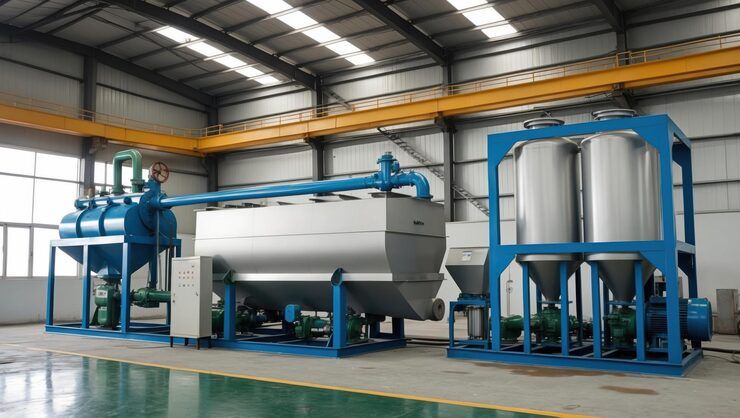
From manufacturing plants and power stations to marine vessels and construction equipment, industrial filtration plays an important role in modern maintenance programs. Rather than replacing oil whenever contamination occurs, many facilities use filtration systems to restore fluid cleanliness and improve operational efficiency.
This guide explains how oil filtering machines work, the different filtration methods available, their industrial applications, and best practices for effective fluid purification.
What Are Oil Filtering Machines?
Oil filtering machines are specialized systems that remove contaminants from industrial oils used in machinery and equipment. They are commonly used with hydraulic oils, lubricating oils, transformer oils, turbine oils, gear oils, and similar industrial fluids.
These machines help separate unwanted materials such as solid particles, moisture, sludge, and oxidation residues while preserving the usable properties of the oil. As part of a preventive maintenance strategy, filtration supports cleaner fluid circulation and helps equipment operate under more stable conditions.
Oil filtering machines range from compact portable units used for routine maintenance to permanently installed systems that continuously filter oil during equipment operation.
Why Industrial Oil Filtration Is Important
Industrial oils perform several essential functions beyond lubrication. They reduce friction, transfer heat, protect internal components, prevent excessive wear, and enable hydraulic power transmission.
As contamination increases, these functions may gradually become less effective. Proper filtration helps maintain oil cleanliness and supports reliable machinery operation.
Some key benefits of industrial oil filtration include:
- Cleaner operating fluids
- Reduced equipment wear
- Improved hydraulic efficiency
- Better lubrication performance
- More consistent machine operation
- Lower risk of unexpected downtime
- Extended fluid service life
- Improved maintenance planning
Maintaining clean oil contributes to the overall health of industrial equipment and supports long-term operational reliability.
Common Sources of Oil Contamination
Understanding contamination helps explain why different filtration technologies are necessary.
Solid Particles
Dust, dirt, rust, machining debris, and microscopic metal particles are among the most common contaminants found in industrial oils. These particles can circulate through machinery and gradually increase wear on moving components.
Water and Moisture
Water may enter oil through condensation, environmental exposure, equipment leaks, or improper storage. Moisture can reduce lubrication quality, encourage corrosion, and affect hydraulic system performance.
Sludge and Oxidation
As oils age, oxidation reactions may create sludge and varnish that reduce flow efficiency and interfere with precision components.
Air and Foam
Entrained air and foam can reduce hydraulic efficiency, affect pressure stability, and limit lubrication effectiveness in certain systems.
Each type of contamination requires an appropriate filtration or separation process for effective fluid purification.
How Oil Filtering Machines Work
Although designs vary depending on the application, most oil filtering machines follow a similar operating process.
Contaminated oil enters the filtration system through an inlet connection. The fluid then passes through one or more filtration stages that target different contaminant types.
The first stage often removes larger particles, while finer filter elements capture smaller contaminants. Some machines also include moisture removal technologies such as vacuum dehydration or coalescing systems that separate water from oil.
After passing through each filtration stage, the purified oil exits the system and returns to storage tanks, lubrication circuits, or hydraulic equipment.
Many modern oil filtering machines include digital monitoring systems that measure pressure, flow rate, and filter condition, allowing operators to monitor filtration performance more effectively.
Main Components of an Oil Filtering Machine
Several integrated components work together to provide efficient industrial filtration.
Pump Assembly
The pump circulates oil through the filtration system at a controlled flow rate appropriate for the equipment being serviced.
Filter Elements
Filter media remove contaminants of different sizes. Multi-stage filtration often improves cleaning efficiency by capturing both coarse and fine particles.
Moisture Removal System
Certain oil filtering machines include dedicated technologies for removing free water and dissolved moisture from industrial oils.
Pressure Monitoring Devices
Pressure gauges help monitor filter condition and indicate when maintenance or filter replacement may be required.
Control System
Modern filtration equipment may include digital control panels that display operating conditions and support routine maintenance monitoring.
Types of Oil Filtration Technologies
Different industrial environments require different filtration methods.
| Filtration Method | Primary Purpose | Typical Applications |
|---|---|---|
| Mechanical Filtration | Removes solid particles | Hydraulic and lubrication systems |
| Depth Filtration | Captures fine contaminants | Industrial process oils |
| Vacuum Dehydration | Removes water and dissolved gases | Transformer and turbine oils |
| Centrifugal Separation | Separates heavier contaminants | Heavy industrial machinery |
| Coalescing Filtration | Removes moisture droplets | Hydraulic systems |
| Magnetic Filtration | Captures ferrous particles | Gearboxes and rotating equipment |
Many advanced oil filtering machines combine multiple technologies to achieve higher levels of fluid cleanliness.
Industrial Applications
Oil filtering machines are used across numerous industries where reliable equipment performance depends on clean operating fluids.
Common applications include:
- Manufacturing facilities
- Power generation plants
- Hydraulic equipment
- Marine operations
- Mining machinery
- Construction equipment
- Steel production
- Paper manufacturing
- Chemical processing
- Wind energy systems
Each application presents different contamination challenges, making proper filtration selection an important part of equipment maintenance.
Choosing the Right Oil Filtering Machine
Selecting an appropriate filtration system depends on several technical considerations.
Type of Oil
Hydraulic oils, transformer oils, gear oils, and lubricating oils have different physical properties that influence filtration requirements.
Contamination Level
The amount and type of contamination determine which filtration technologies are most suitable.
Flow Capacity
Filtration systems should match the required fluid volume and operating conditions of the equipment.
Filtration Efficiency
Different filter media capture different particle sizes. The required cleanliness level influences the overall filtration strategy.
Equipment Compatibility
The filtration system should integrate safely with existing machinery, maintenance procedures, and operating conditions.
Best Practices for Fluid Purification
Routine maintenance helps maximize the performance of oil filtering machines.
Recommended practices include:
- Inspect filter elements regularly.
- Monitor pressure indicators.
- Replace filters when necessary.
- Check pumps, hoses, and seals.
- Monitor oil cleanliness.
- Remove accumulated contaminants.
- Follow scheduled maintenance procedures.
- Keep storage containers clean to minimize contamination.
Consistent maintenance helps preserve filtration efficiency and supports dependable equipment operation.
Benefits of Modern Oil Filtering Machines
Today's filtration systems provide more than simple contaminant removal.
Modern fluid purification supports:
- Cleaner lubrication systems
- Improved hydraulic performance
- Better fluid stability
- Reduced internal wear
- More consistent machine operation
- Improved maintenance scheduling
- Reduced contamination risks
- Greater operational reliability
When incorporated into preventive maintenance programs, oil filtration contributes to healthier industrial systems and improved long-term equipment performance.
Emerging Trends in Industrial Filtration
Industrial filtration technology continues to evolve alongside automation and digital maintenance practices.
Current developments include:
- Smart contamination monitoring
- Digital condition sensors
- Automated filtration controls
- Remote equipment monitoring
- Predictive maintenance integration
- Higher-efficiency filter media
- Energy-efficient pumping systems
- Compact portable filtration equipment
These innovations help maintenance teams make informed decisions based on equipment condition instead of relying solely on fixed service intervals.
Common Misconceptions About Oil Filtration
Several misconceptions can lead to ineffective maintenance decisions.
One common misunderstanding is that clear-looking oil is always clean. Many damaging contaminants are microscopic and cannot be seen without specialized testing.
Another misconception is that all filtration systems remove water. While standard filters capture particles, moisture removal often requires dedicated dehydration or separation technologies.
Some also assume that replacing oil automatically solves contamination problems. If contamination remains inside the system, fresh oil can quickly become affected after installation.
Understanding these differences supports better fluid management and maintenance planning.
Frequently Asked Questions
What is an oil filtering machine?
An oil filtering machine is an industrial system designed to remove contaminants such as solid particles, moisture, sludge, and oxidation by-products from lubricating and hydraulic oils.
Why is industrial oil filtration important?
Industrial oil filtration helps maintain clean operating fluids, supports reliable machinery performance, reduces wear, and contributes to effective preventive maintenance.
What contaminants can oil filtering machines remove?
Depending on the filtration technology, they may remove dust, metal particles, moisture, sludge, varnish, air, and other impurities that affect oil performance.
Which industries commonly use oil filtering machines?
Manufacturing, power generation, mining, marine, construction, chemical processing, steel production, and many other industries rely on oil filtration systems to maintain equipment reliability.
How often should oil filtering systems be maintained?
Maintenance frequency depends on equipment type, operating conditions, contamination levels, and manufacturer recommendations. Regular inspections help determine when filters require servicing or replacement.
Conclusion
Oil filtering machines are an essential part of industrial maintenance because they help preserve fluid quality, protect machinery, and support reliable equipment operation. By removing contaminants such as particles, moisture, sludge, and oxidation by-products, these systems improve lubrication performance and contribute to cleaner hydraulic and mechanical systems.
As industrial filtration technology continues to advance through smart monitoring, improved filter media, and automated controls, fluid purification is becoming an increasingly important element of modern maintenance strategies. Understanding how oil filtering machines work, selecting the appropriate filtration method, and following consistent maintenance practices can help industries maintain cleaner fluids, improve operational efficiency, and support the long-term performance of critical equipment.