Industrial petrochemicals form the foundation of countless products used in modern life.
From packaging materials and synthetic textiles to automotive components, electronics, healthcare supplies, and construction materials, petrochemicals support industries that shape everyday living. Although many people associate petroleum only with transportation fuels, a significant portion of crude oil and natural gas is transformed into valuable chemical building blocks that enable manufacturing across numerous sectors.
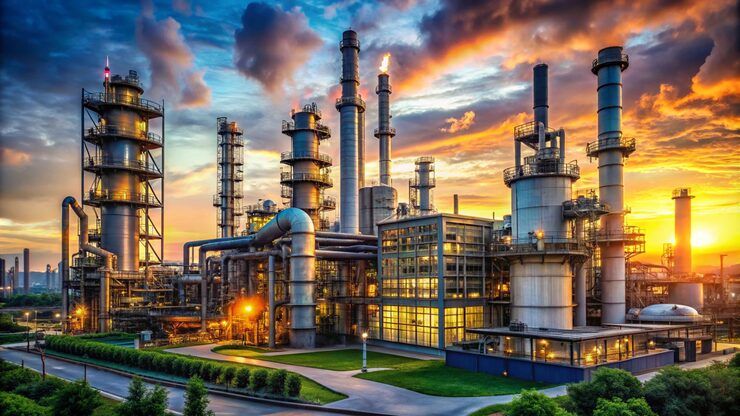
The petrochemical industry combines engineering, chemistry, and industrial processing to convert hydrocarbon resources into versatile raw materials. These materials are then used to manufacture plastics, synthetic fibers, rubber, detergents, solvents, coatings, fertilizers, and many other industrial products.
This guide provides an educational overview of industrial petrochemicals, explaining where they come from, how they are produced, the major categories of petrochemical products, their applications, current challenges, and emerging industry trends.
What Are Industrial Petrochemicals?
Industrial petrochemicals are chemical compounds derived primarily from crude oil and natural gas. Instead of being used as fuels, selected hydrocarbon components are processed into raw materials for manufacturing thousands of products across multiple industries.
Petrochemicals are considered the building blocks of many industrial materials because they can be converted into polymers, resins, synthetic fibers, specialty chemicals, and performance materials.
These materials support manufacturing in sectors such as:
- Construction
- Automotive
- Aerospace
- Healthcare
- Agriculture
- Electronics
- Consumer goods
- Packaging
- Textiles
- Industrial equipment
Because of their versatility, petrochemicals remain an essential part of global industrial production.
Primary Raw Materials Used in Petrochemical Manufacturing
Industrial petrochemical production begins with hydrocarbon feedstocks obtained from natural resources.
The most common raw materials include:
Crude Oil
Crude oil contains a complex mixture of hydrocarbons that can be separated into different fractions through refining. Some fractions become fuels, while others become feedstocks for petrochemical manufacturing.
Natural Gas
Natural gas provides several important hydrocarbon compounds used in chemical production. It is valued for its relatively clean composition and efficiency as a feedstock.
Natural Gas Liquids
Natural gas processing also produces liquids such as ethane, propane, and butane. These materials serve as important starting points for manufacturing many basic petrochemicals.
Each feedstock offers different chemical characteristics, allowing manufacturers to produce a wide range of downstream products.
The Petrochemical Manufacturing Process
Industrial petrochemical production involves several carefully controlled stages designed to convert raw hydrocarbons into useful chemical compounds.
Feedstock Preparation
The process begins by separating and purifying hydrocarbon feedstocks to meet manufacturing requirements.
Cracking
One of the most important production stages is cracking, where large hydrocarbon molecules are broken into smaller, more useful compounds using heat, steam, catalysts, or a combination of these methods.
Cracking produces key building blocks such as ethylene, propylene, and butadiene.
Chemical Conversion
Basic petrochemicals undergo additional chemical reactions that transform them into intermediate compounds used for specialized manufacturing.
Polymerization
Many petrochemicals are converted into polymers by linking small molecules into long molecular chains. These polymers become plastics, synthetic rubber, and engineered materials.
Product Manufacturing
The finished petrochemical materials are supplied to manufacturers that convert them into components and consumer products used in everyday life.
Major Categories of Industrial Petrochemicals
Petrochemicals are generally grouped according to their chemical structure and industrial applications.
| Category | Examples | Common Uses |
|---|---|---|
| Olefins | Ethylene, Propylene, Butadiene | Plastics, synthetic rubber, packaging |
| Aromatics | Benzene, Toluene, Xylene | Fibers, coatings, resins, solvents |
| Synthesis Gas Derivatives | Methanol and related chemicals | Industrial manufacturing, chemical production |
| Polymer Materials | Polyethylene, Polypropylene, PVC | Packaging, construction, consumer products |
These categories supply raw materials for thousands of manufacturing processes worldwide.
Common Products Made from Petrochemicals
Many everyday products contain materials that originated as industrial petrochemicals.
Examples include:
- Food packaging
- Water pipes
- Electrical cable insulation
- Medical equipment
- Protective helmets
- Household appliances
- Furniture components
- Automotive interiors
- Synthetic fabrics
- Flooring materials
- Paints and coatings
- Adhesives
- Cleaning products
- Agricultural films
While consumers may not recognize their petrochemical origins, these products contribute to daily convenience, safety, and industrial productivity.
Industrial Applications Across Different Sectors
Petrochemicals support a wide range of industries through specialized materials and engineered compounds.
Construction
Construction materials often incorporate petrochemical-derived products such as insulation, sealants, piping systems, waterproof membranes, flooring materials, and protective coatings.
Automotive Manufacturing
Modern vehicles use petrochemical-based materials in dashboards, bumpers, interior panels, wiring insulation, synthetic rubber components, and lightweight plastic parts.
Healthcare
Medical facilities rely on petrochemical-derived materials for disposable supplies, laboratory equipment, medical tubing, protective clothing, and pharmaceutical packaging.
Electronics
Electronic devices contain petrochemical-based polymers that provide insulation, component housings, connectors, circuit protection, and cable coatings.
Agriculture
Petrochemical materials contribute to irrigation systems, greenhouse films, storage containers, crop protection products, and fertilizer manufacturing.
Benefits of Industrial Petrochemicals
Industrial petrochemicals provide several advantages that support modern manufacturing.
Some key benefits include:
- Material versatility
- High durability
- Lightweight performance
- Corrosion resistance
- Design flexibility
- Chemical stability
- Support for large-scale manufacturing
- Compatibility with advanced production technologies
These characteristics make petrochemical-derived materials suitable for a broad range of industrial applications.
Environmental Considerations
As demand for manufactured products grows, the petrochemical industry continues working to improve environmental performance through innovation and efficiency.
Areas receiving increased attention include:
- Energy-efficient manufacturing
- Improved recycling technologies
- Waste reduction initiatives
- Emission management
- Resource optimization
- Circular material systems
- Development of recyclable polymers
Many organizations are exploring methods to improve sustainability while maintaining the performance characteristics required by industrial applications.
Emerging Technologies in Petrochemical Manufacturing
Advances in technology continue to improve petrochemical production processes.
Current areas of innovation include:
Digital Process Monitoring
Modern production facilities increasingly use advanced sensors and automated control systems to improve process efficiency and product consistency.
Artificial Intelligence
Data-driven analysis supports predictive maintenance, process optimization, and improved operational decision-making.
Advanced Catalysts
New catalyst technologies help increase reaction efficiency while reducing energy requirements and unwanted by-products.
Circular Economy Approaches
Manufacturers are investing in technologies that support material recovery, improved recycling, and more efficient use of existing resources.
Process Automation
Automation improves production precision, enhances safety, and supports consistent product quality across large-scale manufacturing operations.
Challenges Facing the Petrochemical Industry
Like many industrial sectors, petrochemical manufacturing continues to address several evolving challenges.
These include:
- Improving resource efficiency
- Meeting environmental expectations
- Managing complex production systems
- Increasing recycling capabilities
- Reducing industrial emissions
- Supporting sustainable manufacturing practices
- Integrating advanced digital technologies
Addressing these challenges requires continued collaboration among engineers, scientists, manufacturers, and environmental specialists.
The Future of Industrial Petrochemicals
The future of industrial petrochemicals is expected to combine traditional manufacturing expertise with advanced technologies that improve efficiency and environmental performance.
Several trends are shaping future development:
- Smart manufacturing systems
- Greater automation
- Advanced material engineering
- Improved catalyst technologies
- Expanded recycling infrastructure
- Digital process optimization
- Increased energy efficiency
- Development of high-performance specialty materials
Rather than replacing conventional petrochemicals entirely, future innovation is likely to focus on producing materials more efficiently while supporting responsible resource management and sustainable industrial growth.
Frequently Asked Questions
What are industrial petrochemicals?
Industrial petrochemicals are chemical compounds derived primarily from crude oil and natural gas that serve as raw materials for manufacturing plastics, synthetic fibers, resins, rubber, coatings, and many other industrial products.
What raw materials are used to produce petrochemicals?
The primary feedstocks include crude oil, natural gas, and natural gas liquids such as ethane, propane, and butane.
What is the purpose of cracking in petrochemical manufacturing?
Cracking breaks large hydrocarbon molecules into smaller chemical compounds that become the foundation for many petrochemical products.
Which industries use petrochemical products?
Construction, automotive, healthcare, agriculture, electronics, packaging, textiles, consumer goods, and manufacturing all rely on petrochemical-derived materials.
How is the petrochemical industry evolving?
The industry continues to adopt digital automation, advanced catalysts, energy-efficient manufacturing, recycling technologies, and circular economy practices to improve productivity and environmental performance.
Conclusion
Industrial petrochemicals play a central role in modern manufacturing by transforming crude oil and natural gas into versatile materials that support countless industries. From packaging and healthcare to construction, transportation, agriculture, and electronics, petrochemical products contribute to the functionality, durability, and performance of everyday items and industrial systems alike.
Understanding the raw materials, manufacturing processes, product categories, and emerging technologies behind industrial petrochemicals provides valuable insight into one of the world's most important industrial sectors. As innovation continues, the industry is expected to balance productivity with greater efficiency, improved recycling, and more sustainable manufacturing practices, ensuring petrochemical materials remain an essential part of global industrial development.