Laboratories depend on a wide range of equipment to support accurate observation, measurement, analysis, preparation, and experimentation.
From simple glassware to sophisticated analytical instruments, each tool serves a particular purpose and must be selected and used according to the requirements of the laboratory environment.
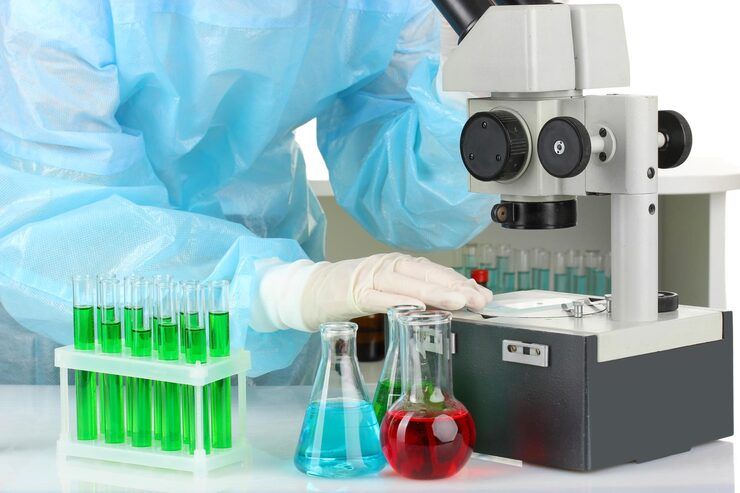
Understanding common laboratory tools is useful for students, researchers, technicians, educators, and anyone interested in scientific work. It provides a foundation for understanding how experiments are performed, how measurements are controlled, and why laboratory procedures require careful handling.
This practical lab equipment guide explains the major categories of laboratory tools, their applications, important selection considerations, and the role of modern technology in laboratory operations.
What Is Laboratory Equipment?
Laboratory equipment includes instruments, tools, containers, devices, and systems used to perform scientific procedures. These tools support activities such as measuring substances, preparing samples, controlling temperature, observing materials, separating mixtures, and recording experimental results.
Laboratory equipment can range from basic items such as beakers and test tubes to advanced instruments used for chemical analysis, biological research, material testing, and environmental studies.
The appropriate equipment depends on the type of laboratory and the work being performed. A chemistry laboratory, for example, may require different instruments from a microbiology, medical, physics, or materials research laboratory.
Why Laboratory Equipment Is Important
Reliable laboratory work depends on appropriate tools and consistent procedures. Equipment helps scientists perform controlled processes and obtain measurable results.
Well-maintained laboratory tools can support:
- Accurate measurements
- Controlled experimental conditions
- Sample preparation
- Observation and analysis
- Reproducible procedures
- Safe handling of materials
- Efficient laboratory workflows
Equipment also helps standardize scientific procedures. When measurements and processes are performed using suitable instruments, researchers can compare observations more consistently.
Common Categories of Lab Equipment
Laboratory tools can be grouped according to their primary function. Understanding these categories makes it easier to identify the right equipment for a particular task.
Measuring Equipment
Measuring instruments are used to determine quantities such as mass, volume, temperature, pressure, and acidity.
Common examples include balances, graduated cylinders, thermometers, pipettes, burettes, pH meters, and pressure gauges.
Measurement equipment must be appropriate for the required level of precision. A tool designed for approximate measurement may not be suitable for procedures requiring highly precise results.
Laboratory Glassware
Glassware is widely used for holding, mixing, transferring, heating, and observing substances.
Common laboratory glassware includes:
- Beakers
- Erlenmeyer flasks
- Test tubes
- Volumetric flasks
- Burettes
- Pipettes
- Watch glasses
- Glass stirring rods
Different shapes and designs serve different purposes. For example, a volumetric flask is designed for preparing solutions to a specific volume, while an Erlenmeyer flask is useful for mixing liquids while reducing the likelihood of splashing.
Sample Preparation Equipment
Preparing samples is often an important stage before analysis or observation.
Laboratories may use equipment such as centrifuges, homogenizers, grinders, mixers, and filtration systems depending on the sample type.
A centrifuge separates components of a mixture based on differences in density by rotating samples at controlled speeds. This makes it useful in many biological and chemical procedures.
Homogenization equipment, meanwhile, helps create a more uniform sample by breaking down or mixing components.
Heating and Temperature-Control Equipment
Many laboratory procedures require precise temperature control.
Common equipment includes:
- Hot plates
- Laboratory ovens
- Heating mantles
- Water baths
- Drying ovens
- Incubators
- Temperature-controlled chambers
Different devices provide different levels of temperature stability. A water bath, for example, provides controlled indirect heating, while an oven can be used for drying or processes requiring higher temperatures.
Temperature monitoring is particularly important because changes in temperature can influence chemical reactions, biological growth, material properties, and experimental results.
Microscopes and Observation Equipment
Microscopes allow users to examine objects that cannot be adequately observed with the unaided eye.
Different microscopy systems provide different levels of magnification and imaging capability. Light microscopes are commonly used for observing cells, microorganisms, tissues, and prepared samples, while more advanced microscopy technologies can provide detailed information about structures and materials.
Modern laboratory imaging increasingly combines microscopes with digital cameras and specialized software. This allows images to be captured, analyzed, stored, and shared more efficiently.
Analytical Laboratory Instruments
Analytical instruments are designed to identify, measure, or characterize substances and materials.
Examples include:
- Spectrophotometers
- Chromatography systems
- pH meters
- Conductivity meters
- Analytical balances
- Mass spectrometry systems
These instruments can provide detailed information about the composition or properties of a sample.
Analytical equipment often requires careful calibration, controlled operating conditions, and appropriate sample preparation to produce reliable results.
Separation Equipment
Separation techniques are used to isolate components within mixtures.
Common laboratory separation tools include centrifuges, filtration equipment, chromatography systems, and separation vessels.
The appropriate method depends on properties such as particle size, density, chemical behavior, and solubility.
Separation equipment is particularly important in analytical chemistry, pharmaceutical research, environmental testing, and biological laboratories.
Safety and Laboratory Support Equipment
Laboratory work requires more than analytical and experimental instruments. Safety and supporting equipment are also essential components of a functional laboratory.
Examples include:
- Fume hoods
- Safety cabinets
- Eye-washing stations
- Emergency showers
- Fire safety equipment
- Spill-control materials
- Protective storage systems
These systems help laboratories manage potential hazards and maintain controlled working environments.
Proper laboratory safety also includes appropriate personal protective equipment, clear procedures, correct labeling, and responsible waste management.
Digital Technology in Modern Laboratories
Laboratory equipment has increasingly become connected with digital technology.
Modern instruments may include computerized controls, automated sample handling, digital displays, data logging, and software-based analysis.
Automation can help laboratories perform repetitive procedures consistently while reducing manual data entry.
Digital systems can also improve recordkeeping by allowing measurements and observations to be stored electronically. However, digital equipment still requires appropriate calibration, maintenance, software management, and human oversight.
Selecting Appropriate Laboratory Equipment
Choosing laboratory equipment should begin with the intended application rather than the appearance or complexity of the instrument.
Important considerations include:
Purpose
Determine exactly what the equipment needs to accomplish. A clear application helps narrow down appropriate options.
Accuracy and Precision
Consider the required measurement range and level of precision. Equipment should match the requirements of the experimental procedure.
Compatibility
The instrument and its components should be compatible with the samples, chemicals, containers, and other equipment used in the laboratory.
Capacity
Consider the volume, sample quantity, throughput, or workload the equipment needs to handle.
Maintenance Requirements
Routine cleaning, calibration, inspection, and component replacement may be necessary to keep laboratory equipment operating correctly.
User Training
Complex equipment may require specialized training. Users should understand operating procedures, limitations, safety requirements, and appropriate maintenance practices.
Calibration and Maintenance
Laboratory equipment must be maintained carefully because equipment condition can influence experimental results.
Calibration compares an instrument's measurements with an appropriate reference to determine whether it is performing within the required specifications.
Maintenance may involve:
- Cleaning
- Inspection
- Calibration
- Lubrication where appropriate
- Component replacement
- Software updates
- Performance checks
Maintaining equipment according to documented procedures supports consistency and helps identify potential problems before they affect laboratory work.
Common Mistakes When Using Lab Equipment
Even appropriate equipment can produce unreliable results when used incorrectly.
Common mistakes include using instruments outside their intended range, skipping calibration checks, failing to clean equipment properly, using unsuitable containers, or ignoring manufacturer operating instructions.
Another frequent problem is inadequate documentation. Recording equipment identification, settings, measurements, maintenance activities, and observations can make experimental work easier to review and reproduce.
Proper training and standard operating procedures help reduce these errors.
Future Trends in Laboratory Equipment
Laboratory technology continues to develop as researchers seek greater accuracy, efficiency, automation, and data integration.
Important trends include:
- Automated sample handling
- Digital laboratory records
- Connected instruments
- Artificial intelligence-assisted analysis
- Miniaturized analytical systems
- Improved sensor technologies
- Remote instrument monitoring
- More energy-efficient laboratory systems
These developments are changing how laboratories collect, process, and interpret information while increasing the importance of data management and technical training.
Frequently Asked Questions
What is laboratory equipment?
Laboratory equipment includes instruments, tools, devices, and systems used for scientific measurement, experimentation, sample preparation, analysis, observation, and controlled procedures.
What are the most common laboratory tools?
Common tools include beakers, test tubes, pipettes, balances, microscopes, centrifuges, thermometers, pH meters, flasks, and heating equipment.
Why is calibration important for laboratory instruments?
Calibration helps verify that an instrument provides measurements within its required performance range, supporting consistent and reliable experimental results.
How should laboratory equipment be maintained?
Maintenance may include cleaning, inspection, calibration, performance checks, appropriate storage, and timely replacement of worn components according to established procedures.
How is technology changing laboratory equipment?
Modern laboratory equipment increasingly incorporates automation, digital controls, data logging, software analysis, connected systems, and intelligent monitoring to support more efficient scientific workflows.
Conclusion
Laboratory equipment provides the practical foundation for scientific investigation. From basic glassware and measuring tools to advanced analytical instruments and automated systems, each category serves a specific function within laboratory workflows.
Understanding how equipment is categorized, what applications it supports, and which factors influence selection can help users work more effectively and responsibly. Proper calibration, maintenance, documentation, training, and safety practices are equally important because reliable laboratory results depend not only on sophisticated instruments but also on how those instruments are operated.
As laboratories adopt greater automation, digital data systems, and advanced analytical technologies, knowledge of fundamental laboratory tools will remain essential. A strong understanding of lab equipment therefore provides a useful foundation for both traditional experimental work and the increasingly technology-driven laboratories of the future.